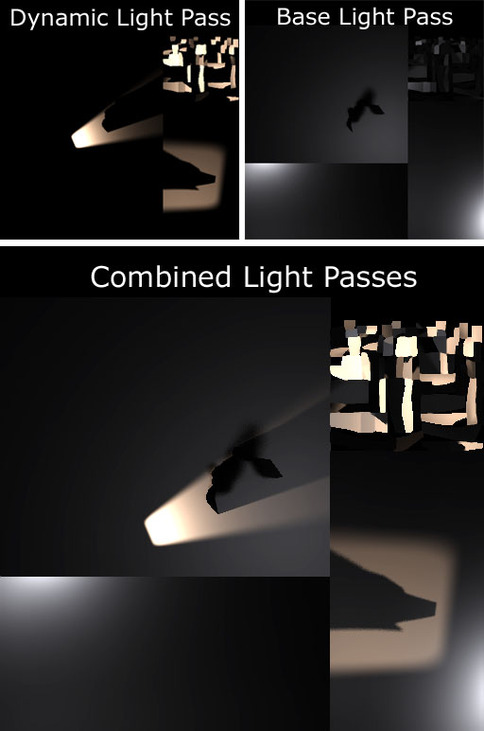
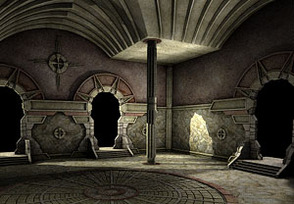
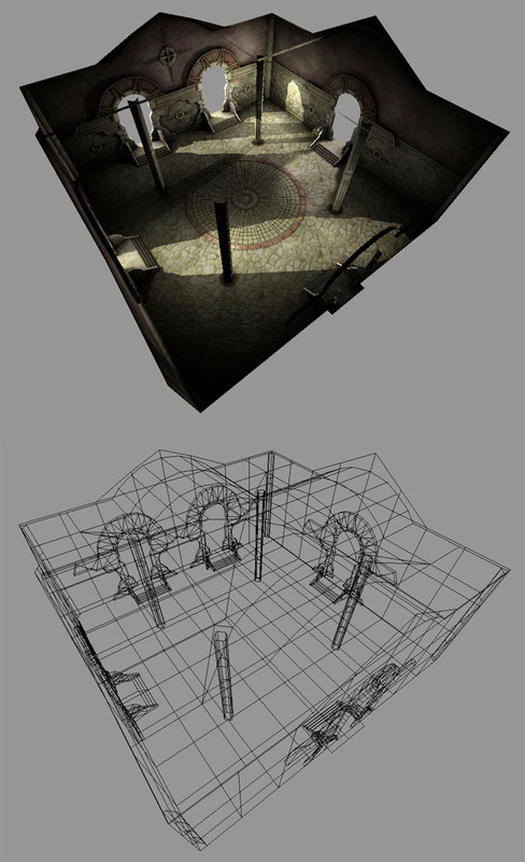
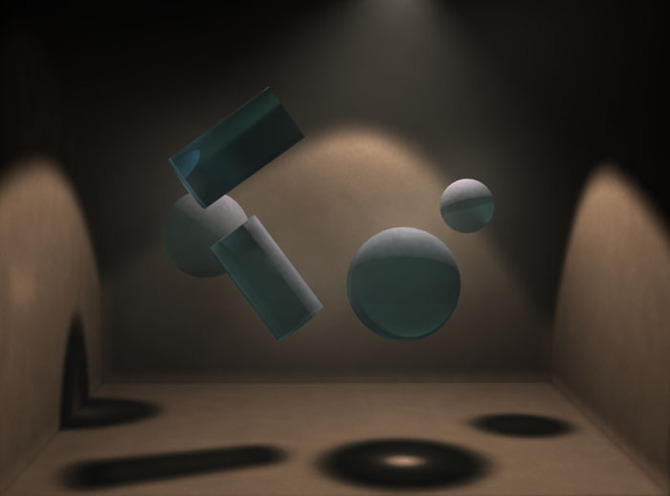
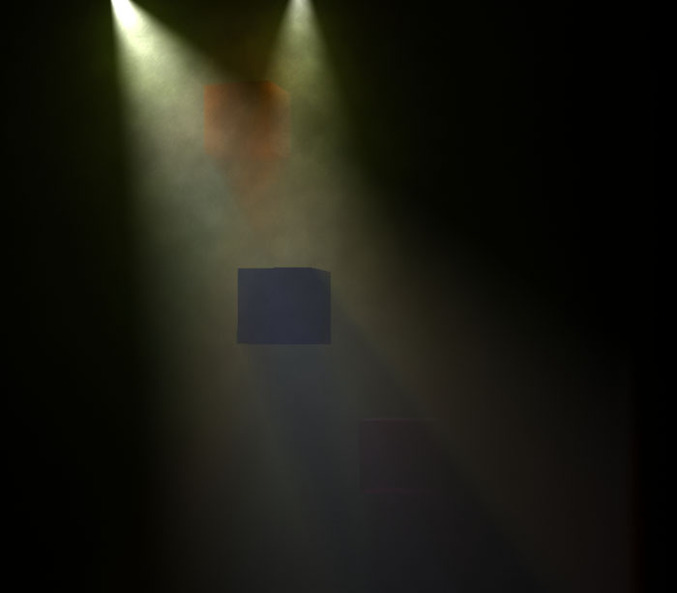
This is a great cheat for low cost 'dynamic' lights. If you
bake lightmaps in passes, this is a very easy effect to author.

| Baked Dynamic Light - Windows |
| File Size: | 723 kb |
| File Type: | wmv |
Download File

| Baked Dynamic Light - Mac |
| File Size: | 547 kb |
| File Type: | mov |
Download File
Essentially I combine two lightmaps; adding the dynamic map over the base map. For this demo, I do exactly that. In practical application, you would not want to double your lightmap textures space for a whole level. Instead, create a pass where duplicate chunks of localized geometry will hold low resolution dynamic maps (or even make a larger texture sheet for all the dynamic maps in your level, a 512x512 will do) and bake to a new set of UVs.

combining light maps in realtime for dynamic FX
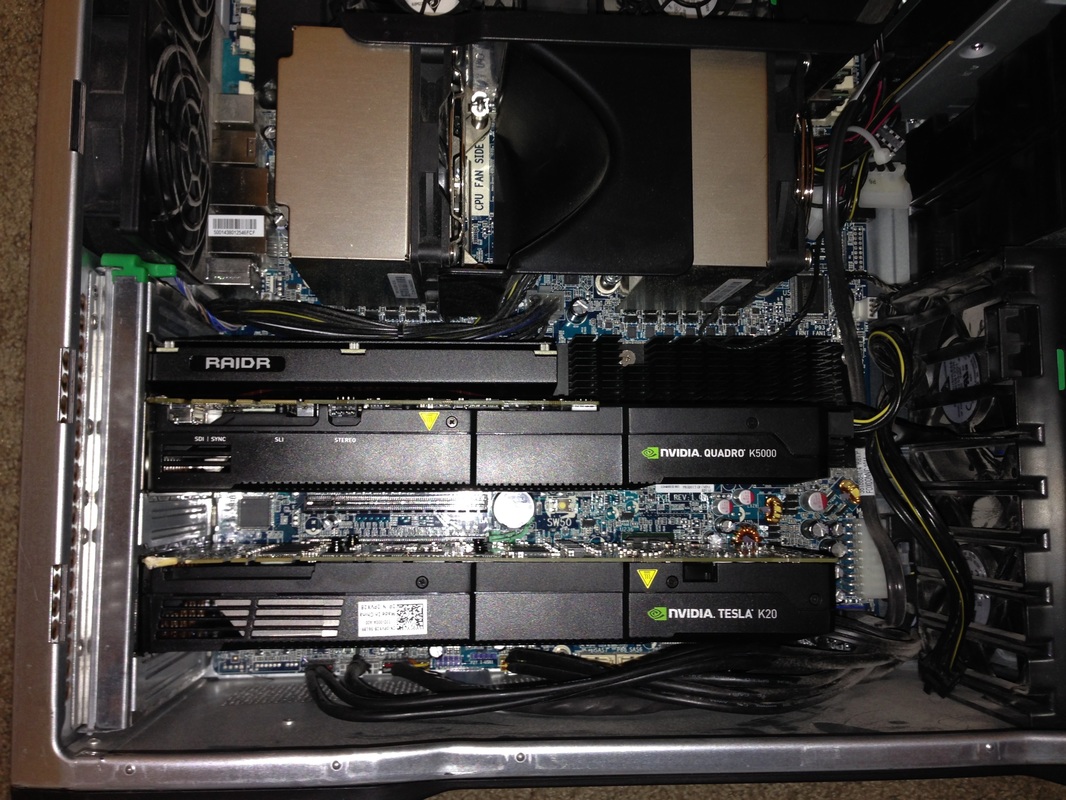
There is a lot of flexibilty, production time-savings, and specific look development which can be gained by building lightmaps (for realtime engines) in passes. Using mental ray, these passes are fairly easy to setup and bake. However, while final gathering (FG) works great (result-wise) for radiosity sampling, it is only single threaded when used for rendermapping. Seeing as how FG is a screen space method for sampling, I don't know if this can be called a bug (definitely an oversight). This limitation is made worse when several computers are used via satellite rendering to generate a single lightmap (or lightmap pass). The other systems sit idle, while one machine (using one core) calculates the FG prepass.
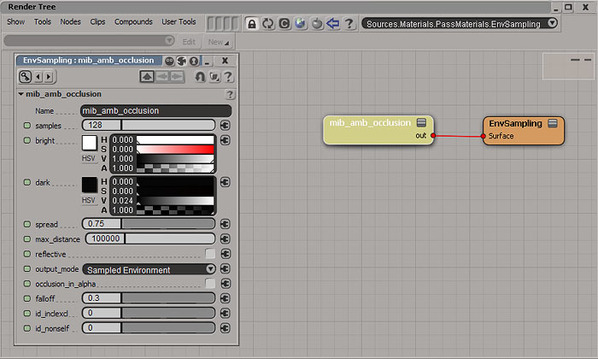
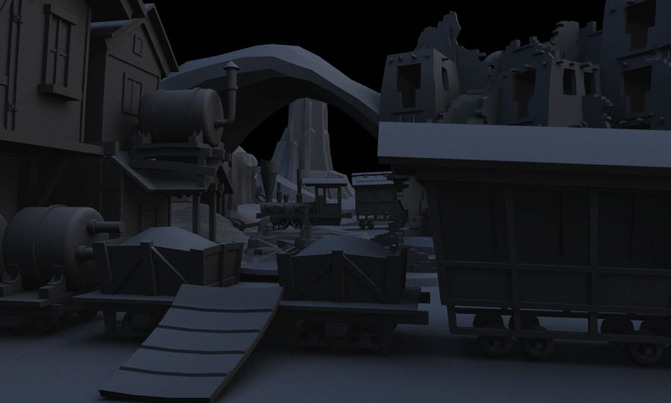
To avoid this production slow down and get your systems rendering with full CPU power, an environment sampling shader can do the work FG would normally calculate. Using mental ray's ambient occlusion shader with the below parameters, I generated the environment sampling with satellite rendering using 100% of 24 cores.

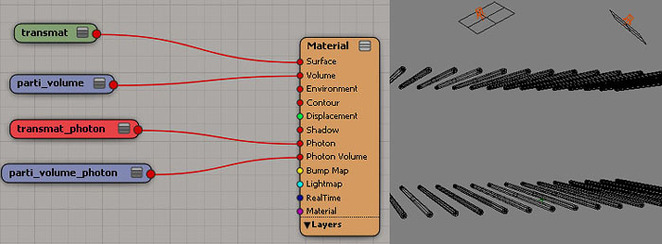
pass material setup

environment sampling pass: using the occlusion shader for ambient lightmaps
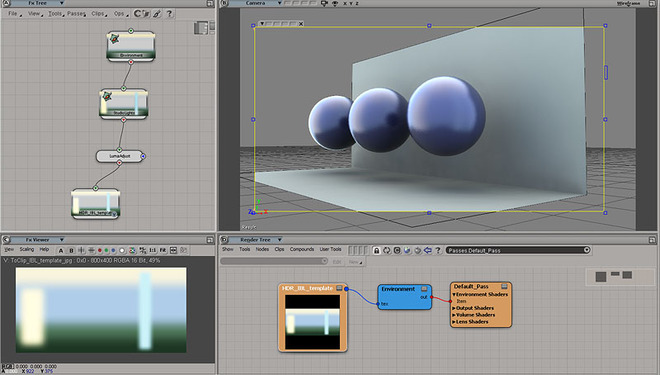
Use this sampling method with
interactive IBL light domes for a fast and iterative lighting solution.
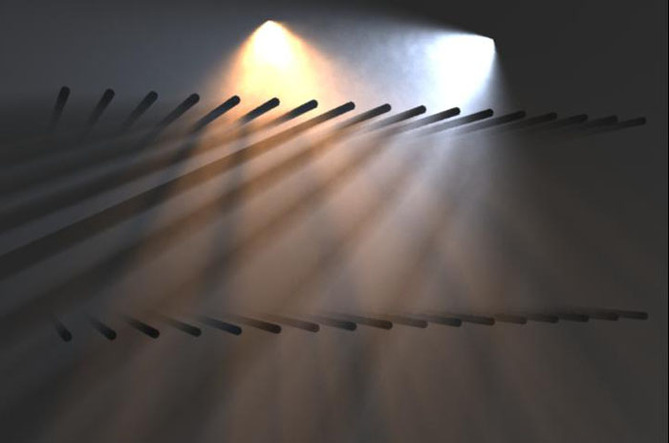
Here is the collection I use the most; feel free to download the .zip file. I took the liberty of giving the IES files artist friendly names. Using IES profiles to scatter indirect light energy into a scene gives a certain legitimacy to the render; even if the profile isn't used for light scatter effects directly. You can accomplish indirect scatter by setting up photon only lights with an IES profiles.

IES profile collection

IES light scatter
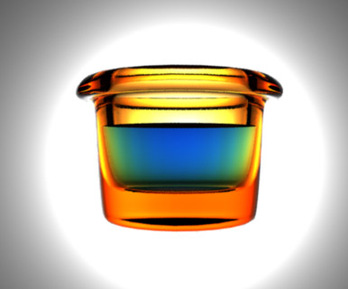
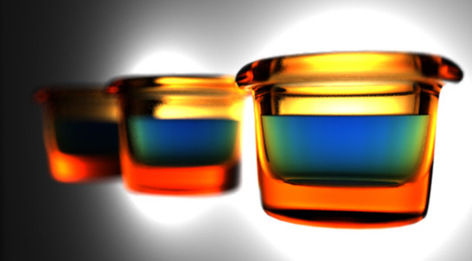
Wired-up an interesting glass shader.
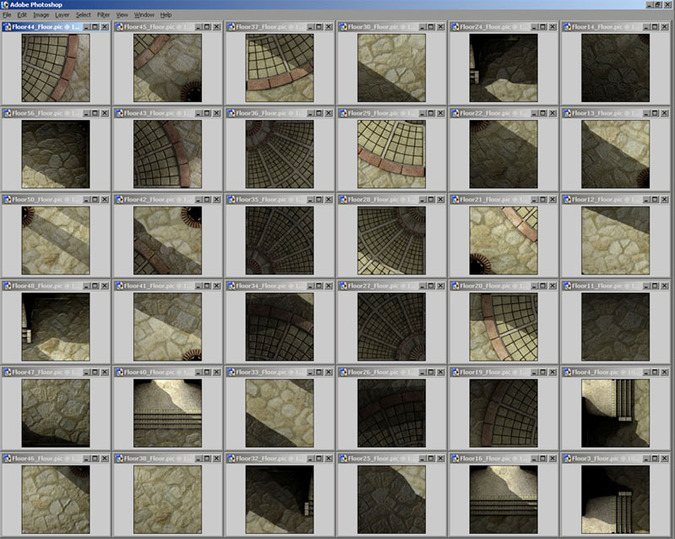
Streaming many 128 x 128 pre-baked textures on a consumer mobile device to push very highend looking graphics on limited hardware. Textures are loaded based on the viewers location; a 'poor man's' mega-texturing system. Fun to use all the cheats and lessons learned from the past to manipulate the phone's capabilities.

tile based texture streaming

pre-baked, tiled textures
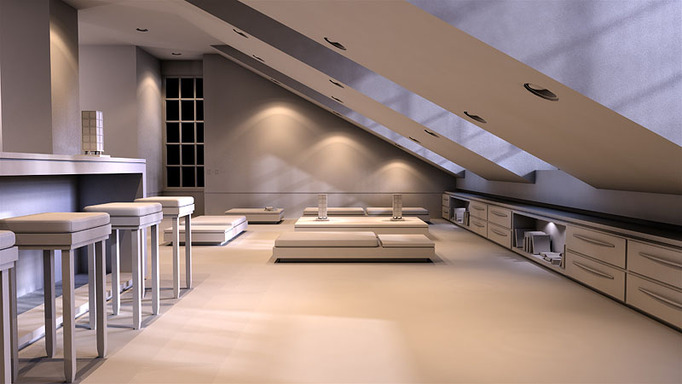
Render test (mental ray) to simulate radiosity from a moving light source. This technique requires a prepass to cache final gather maps into a single archive before the pixels are rendered. The prepass is painless in Softimage, but renderers like
Arnold make caching and prepasses obsolete.
Download the viewport captured video below:

| Cabin Radiosity - Windows |
| File Size: | 150 kb |
| File Type: | wmv |
Download File

| Cabin Radiosity - Mac |
| File Size: | 168 kb |
| File Type: | mov |
Download File